Winter has a habit of drawing attention to the jobs around your property that you’ve been putting off. Without the distraction of lush summer growth, overhanging branches become more obvious, deadwood stands out, and gutters, roofs, and driveways that have gradually become crowded by trees are much harder to ignore.
For many Waikato homeowners, winter is also when strong winds, heavy rain, and saturated ground expose weak limbs and hidden hazards. A branch that looked perfectly healthy in autumn can soon become a problem once the weather turns.
Luckily, winter is one of the best times of year to tackle tree maintenance.
At Triggers Trees, we often find that a little proactive work during the colder months can prevent costly problems later on. Whether you have a suburban section, a lifestyle block, or a property lined with mature trees, winter is the ideal time to assess what's growing around you and prepare for the seasons ahead.
Why Winter Is the Ideal Time for Tree Work
While many people assume tree work is best left until spring, winter offers loads of advantages.
With many deciduous trees dormant and bare, it's easier to identify dead, damaged, or overcrowded branches. Reduced growth also means pruning is generally less stressful for the tree, allowing it to put its energy into healthy new growth once spring arrives.
Winter conditions also make it easier to see how trees are affecting your property. Gutters blocked with leaves, branches rubbing on roofs, excessive shading, and limbs hanging over driveways become much more noticeable when the garden isn't in full bloom.
Well-timed winter pruning can also encourage stronger growth, improve tree structure, and support the long-term health of your trees.
Perhaps most importantly, winter is when storms tend to highlight existing weaknesses. Taking care of these issues now can help reduce the risk of damage to homes, vehicles, fences, sheds, and other structures when rough weather arrives.
What to Look Out for Around Your Property
Not every tree needs attention every year, but a quick walk around your property can often reveal issues that are easy to miss during other seasons.
Dead or hanging branches
Deadwood is one of the most common issues we encounter during winter. These branches are often brittle and far more likely to snap during strong winds, posing a risk to people, vehicles, sheds, and fences.
Even if a branch still appears attached, visible cracking, splitting, or hanging limbs should be addressed sooner rather than later. The longer damaged branches remain in a tree, the greater the chance they'll come down unexpectedly.
Branches touching roofs or powerlines
Trees naturally continue to expand over time, and what was once plenty of clearance can disappear without you even noticing.
Branches rubbing on roofing, crowding gutters, damaging spouting, or encroaching on powerlines can cause expensive problems if left unchecked. In some cases, tree growth can also create easier access routes for pests and rodents to reach your roof space.
Dense canopies blocking light
As trees mature, their canopies often become crowded and dense.
Selective pruning can improve airflow and allow more sunlight into lawns, gardens, and outdoor living spaces. During winter, this can make a noticeable difference to damp areas around the home, helping outdoor spaces dry out more quickly and creating healthier growing conditions for surrounding plants.
It can also reduce wind resistance within the canopy, lowering the likelihood of branches failing during storms.
Storm-damaged trees
After periods of heavy wind or rain, it's worth taking a walk around your property. Leaning trees, fresh cracks, exposed roots, or large branches resting in neighbouring trees may indicate structural issues that require professional attention.
Not all damage is immediately obvious, and early intervention can often prevent a larger and more expensive problem down the track.
If you're noticing more than one or two of these signs, winter is the perfect time to act.
Winter Tree Maintenance Jobs Worth Doing
Winter is an excellent time to tackle the likes of:
Tree pruning and canopy thinning.
Deadwood removal.
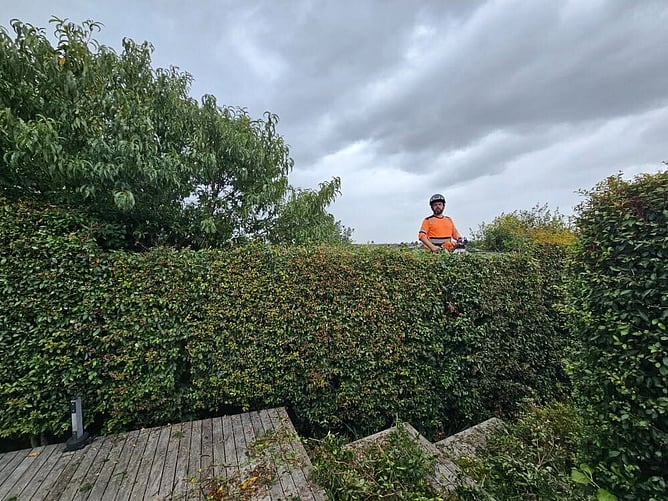
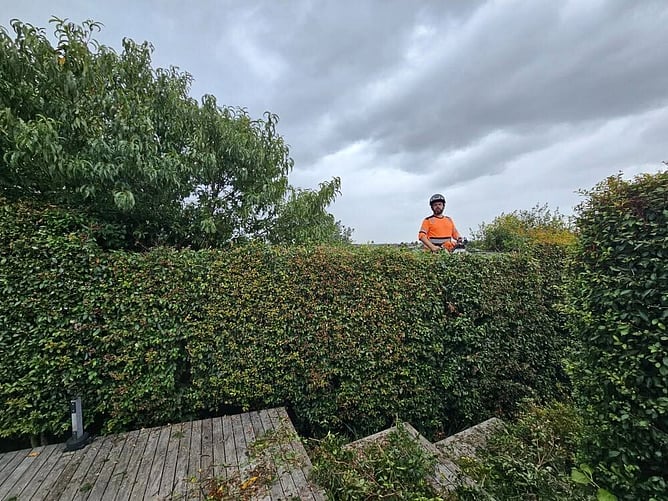
Hedge trimming and shaping.
Palm tree clean-ups.
Removing dangerous or unwanted trees.
Clearing branches from roofs, gutters, and driveways.
Preparing shelter belts and boundary trees for spring growth.
Some of these tasks - like small shrubs, light hedge trimming, and low branches are usually manageable for confident gardeners with the right tools. But larger trees are a different story.
Tree work can be unpredictable. Branches don't always fall where you expect, and what appears to be a straightforward job from the ground can become much more complicated once you're up in the canopy. Add in chainsaws, ladders, uneven ground, and winter conditions, and the risks increase quickly.
If branches are near powerlines, hanging over buildings, or require climbing equipment, it's best to leave the work to qualified professionals.
Professional arborists have the training, equipment, and experience to assess hazards, work safely at height, and complete the job efficiently while minimising risk to people and property.
Getting Ahead This Winter
Our team at Triggers Trees is here to help. From pruning and maintenance to complete tree removal, we work across the Waikato to keep properties safe, healthy, and looking their best. If you're unsure whether a tree needs attention, we're always happy to provide honest advice and help you determine the best course of action for your property.